
.Brown Rice vs White Rice is one of the most highly debated topics in the health and fitness industry today because rice remains a foundational part of our daily diet. Rice is a staple food in India and is consumed daily in almost every household. Whether you live in the north, south, east, or west, a meal often feels completely incomplete without a comforting portion of freshly cooked rice. However, a common question that crosses everyone’s mind these days is: is brown rice better, or is white rice? Modern health-conscious individuals tend to prefer brown rice due to its nutritional profile, while the majority of people consume white rice because of its tradition and taste. Therefore, if you, too, are confused about which type of rice is superior, then this comprehensive blog post is for you. almost every household consumes rice daily
When you enter a modern grocery store, the massive variety of grains can easily overwhelm your decision-making process. Choosing between these two popular options requires a clear understanding of how processing affects their internal nutritional value. Many people blindly switch their dietary habits based on fitness trends without analyzing their body’s unique requirements. In reality, both varieties possess distinct characteristics that serve different health goals. In this ultimate comparative guide, we will break down their production methods, nutritional differences, digestive properties, and practical usage tips. Consequently, you will be able to make an educated choice that supports your long-term health effortlessly.
What Is Brown Rice and How Is It Processed?
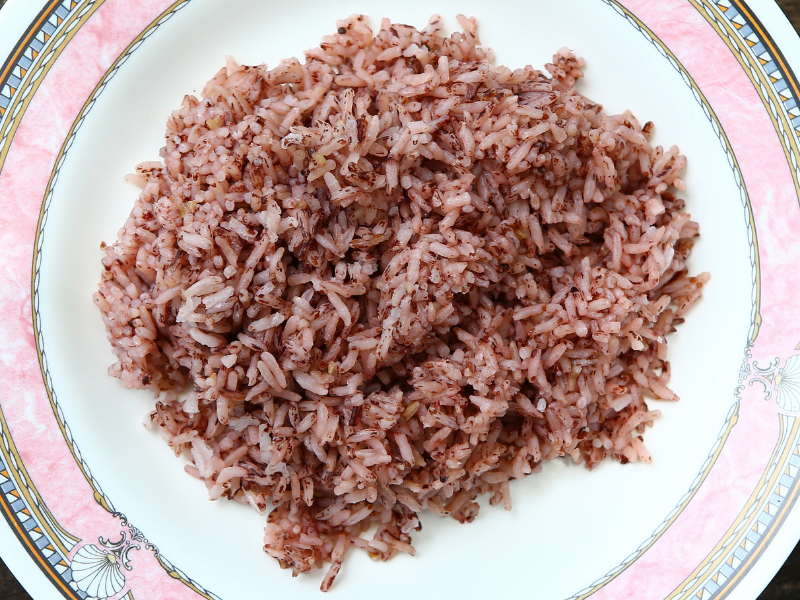
To understand the core dynamics of the brown rice vs white rice debate, we must first analyze what brown rice actually represents. Brown rice is a whole grain that retains its outer natural layers—specifically the protective bran and the nutrient-dense germ. When farmers harvest rice from the fields, the grain contains an unedible outer hull that must be removed through milling. During the processing of brown rice, only this outermost hull is stripped away, leaving the entire seed completely intact.
Because the grain preserves its native structure, it remains exceptionally rich in dietary fiber, essential vitamins, and vital minerals. The colorful bran layer gives this variety its signature dark color and a distinctively nutty flavor profile. Furthermore, the internal germ layer acts as the reproductive core of the grain, housing healthy fats and antioxidants. Consequently, consuming this whole grain provides a steady, slow release of energy that prevents sudden fatigue throughout your busy workday.
What Is White Rice and Why Is It Polished?
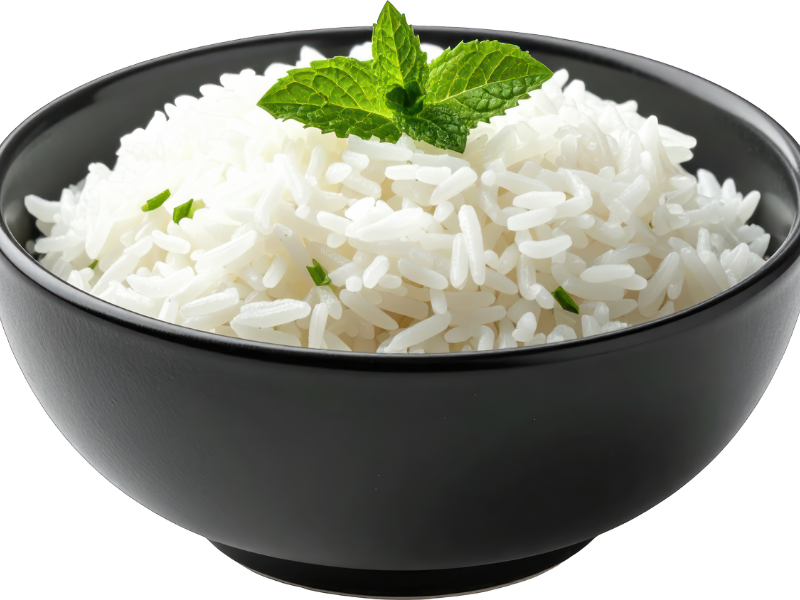
On the other side of the brown rice vs white rice comparison, we have the universally popular white variety. White rice is essentially polished rice from which the outer layers, namely the bran and the germ, have been completely removed during intensive factory milling. After removing the hull, machines polish the remaining starchy endosperm to give the grain its pearly white appearance and a shiny, attractive texture.
As a result of this heavy processing, white rice has a much softer texture and cooks significantly more quickly than its whole-grain counterpart. However, this milling process unfortunately strips away a massive portion of the grain’s native fiber, B-vitamins, and essential minerals. To compensate for this nutritional loss, many manufacturers artificially enrich the polished grains with iron and synthetic vitamins afterwards. Nevertheless, because it lacks a tough exterior, it feels incredibly light on the stomach and acts as an excellent, easily accessible source of carbohydrates.
Comprehensive Nutritional Comparison of Both Grains
When we evaluate the nutritional breakdown, the functional differences between these two varieties become incredibly stark. Understanding these numbers will help you plan your daily meals according to your macro-nutrient targets perfectly:
Fiber Content and Digestive Speed:
- Brown Rice: It is exceptionally high in dietary fiber because the bran layer remains completely untouched. Consequently, it is digested very slowly by your stomach, keeping you full for hours.
- White Rice: It is naturally very low in dietary fiber due to the intensive polishing process. As a result, it is digested easily and moves rapidly through your digestive tract.
Glycemic Index and Energy Release:
- Brown Rice: Possesses a low to medium glycemic index, meaning it causes a slow, gradual rise in blood sugar levels. Therefore, it provides sustained energy without causing sudden insulin spikes.
- White Rice: Possesses a high glycemic index, which causes a rapid increase in blood glucose levels. Consequently, it provides quick energy but can lead to a sudden energy crash shortly after consumption.
The Health Benefits of Incorporating Brown Rice
Choosing to consume whole grains offers immense long-term advantages for individuals dealing with modern lifestyle disorders. First and foremost, brown rice acts as an exceptional tool that actively aids in weight loss management. Because the high fiber content expands in your stomach, it triggers satiety hormones that prevent you from overeating or experiencing intense sugar cravings between meals.
Secondly, being rich in magnesium and powerful antioxidants, it supports excellent cardiovascular health and reduces arterial inflammation. Third, it directly helps control blood sugar levels, making it a highly recommended dietary choice for individuals managing type-2 diabetes or insulin resistance. The slow absorption of complex carbohydrates ensures that your pancreas does not experience extreme stress after lunch or dinner. If you enjoy creating balanced, healthy meals rapidly at home, read our guide on easy
The Practical Benefits of Consuming White Rice
Despite the negative reputation white rice often receives from modern fitness influencers, it provides crucial benefits that whole grains cannot match. First, it is incredibly easy to digest, making it an elite food choice for individuals suffering from sensitive stomachs, bloating, or chronic digestive issues. When your body is recovering from an illness or stomach flu, complex fibers can aggravate the intestinal lining; therefore, soft white grains offer gentle nourishment.
Second, it provides quick energy to the body almost instantly after consumption. Because the body breaks down the polished endosperm rapidly, athletes and weightlifters heavily prefer white rice as a pre-workout or post-workout meal to restore their muscle glycogen levels quickly. Third, it possesses a very soft, neutral taste and a delicate texture that blends seamlessly with traditional curries, dals, and vegetables. Consequently, it remains the ultimate comfort food that brings pure culinary satisfaction to millions of families.
Brown Rice vs White Rice – Detailed Comparison Table
To help you visualize the core differences of brown rice vs white rice at a single glance, look at this structured comparison:
| Feature Criteria | Whole Brown Rice | Polished White Rice |
| Processing Level | Minimal (Only hull removed) | High (Bran & germ removed) |
| Fiber Content | Exceptionally High | Extremely Low |
| Cooking Duration | 35 to 45 Minutes | 15 to 20 Minutes |
| Digestive Quality | Slow and complex | Quick and effortless |
| Shelf Life | Shorter (Due to natural oils) | Longer (Milled endosperm) |
| Taste Profile | Nutty and chewy | Sweet and very soft |
How to Choose the Perfect Grain Based on Your Health Goals
Deciding which grain is superior ultimately depends entirely on your specific biological requirements and fitness targets. Therefore, you must select your rice based on your specific health goals rather than following external peer pressure. For instance, if your primary objective is fat loss, metabolic improvement, or diabetes management, brown rice is undoubtedly the better choice for your kitchen.
On the other hand, if you require quick energy for intense physical labor, or if you regularly suffer from digestive issues like acid reflux, white rice is the better option for your system. Furthermore, you do not necessarily have to eliminate one variety completely to stay fit. On the contrary, you can easily incorporate both types into your weekly diet in moderation. For example, you can consume brown grains during lunch for sustained energy at work, and enjoy soft white grains with a light dal for a peaceful, easily digestible dinner. If you occasionally love pairing your rice bowls with popular cheat meals, you can check our recipe
Common Mistakes People Make When Selecting Rice
The most frequent error observed in modern food culture is following health trends blindly without consulting one’s own bodily comfort. Many individuals force themselves to eat chewy whole grains despite facing severe stomach cramps or indigestion, simply because an online video labeled white rice as “unhealthy.” This approach is completely counterproductive because forcing your body to process heavy fiber when it isn’t ready causes long-term gut inflammation.
Another critical mistake is ignoring your body’s specific needs during special circumstances like post-illness recovery or extreme athletic training. Additionally, people often forget that portion control matters far more than the color of the grain. Eating a massive, unrestricted bowl of brown rice will still cause weight gain, whereas consuming a measured, balanced portion of white rice alongside plenty of green vegetables and protein will keep you perfectly fit. To learn more about standard nutritional guidelines, you can visit the
Creative Ways to Transition from White to Brown Rice
If you have decided that whole grains align better with your fitness targets, making the sudden switch can be difficult due to the drastic difference in texture. Therefore, you should implement a gradual transition strategy to help your taste buds adapt comfortably. For instance, during the first week, mix seventy percent white rice with thirty percent brown rice in a single pot.
As your palate becomes accustomed to the nutty flavor, slowly increase the proportion of whole grains over the upcoming weeks. Additionally, you can enhance the taste of brown rice by cooking it in low-sodium vegetable broth instead of plain water, or by adding aromatic spices like cumin, cardamom, and bay leaves to the boiling pot. This simple culinary trick infuses deep flavors into the tough bran layer, making your healthy meals incredibly delicious and enjoyable. To complement your main meals with a sweet refreshment, read our guide on how to blend a thick
Conclusion
In the ultimate analysis of brown rice vs white rice, it is clear that both varieties have their own distinct benefits and practical uses. There is no absolute winner because food is never inherently good or bad; it simply serves different purposes based on timing and quantity. The best approach is to choose the option that aligns best with your lifestyle, personal taste preferences, and current health requirements. By practice of portion control and balancing your grains with adequate fiber and clean proteins, you can easily enjoy the cultural joy of eating rice while maintaining an elite standard of health and fitness.